Tell Al-Barrak and the Phoenician Wine Press
Archaeological excavations at Tell Al-Barrak near Zahrani uncovered a site dating back to the 7th century BCE, including a wine press from that era. Archaeologists confirmed that the region is rich in Phoenician artifacts, which are widespread throughout Jabal Amel.
When asked about the Phoenician heritage in Jabal Amel, historian Kassem Hejeij explained:
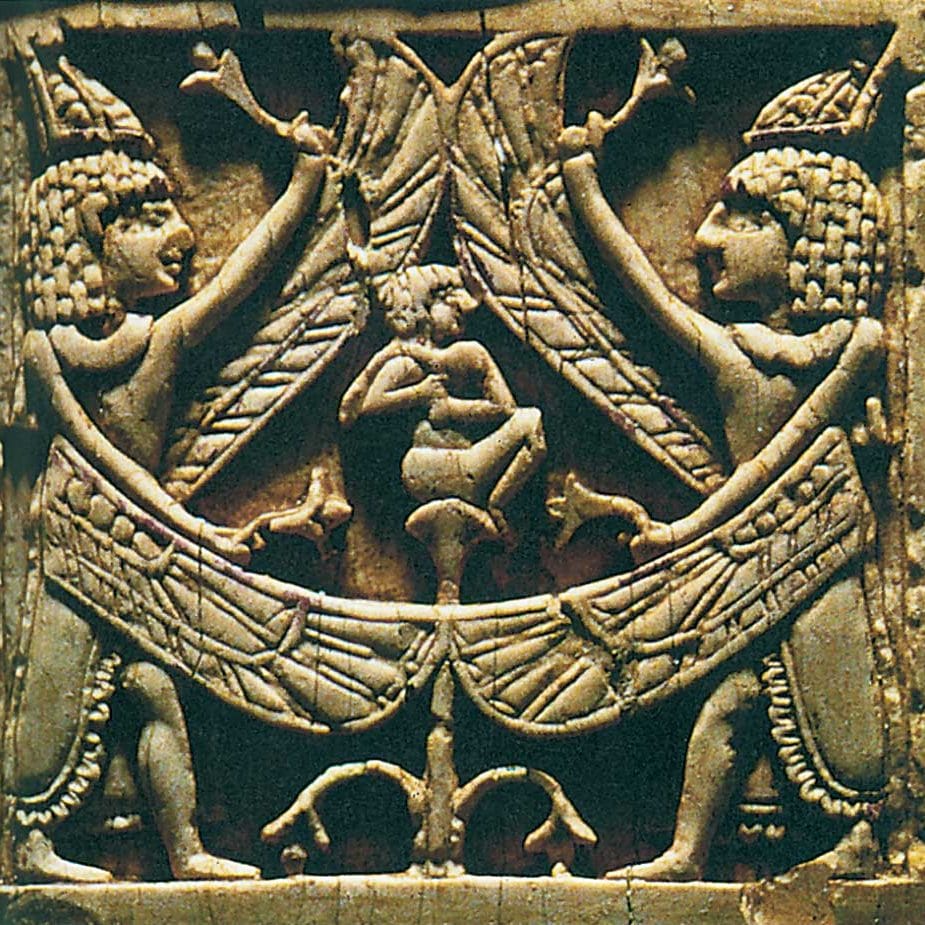
“The Phoenicians played a significant role in the history of the ancient Near East. They are credited with inventing the alphabet and discovering Europe—Europe being the sister of Prince Cadmus, who sailed with her to the shores of Athens.
Jabal Amel was central to the Phoenicians’ trade network, as they colonized the coasts of Syria, Lebanon, and Palestine. In 2001, a German-Lebanese team studied the site at Tell Al-Barrak and determined it was a Phoenician settlement inhabited from the 8th to the 4th century BCE.
On the slope of the tell, they found a wine press dating back to the Iron Age in the 7th century BCE. Wine was a key Phoenician commodity, used as a currency for trade alongside olive oil, dyes, and wheat, as well as in religious rituals. The study revealed that the Phoenicians used plaster mixed with limestone and crushed pottery shards to coat the press walls.
The presence of the wine press indicates the abundance of vineyards in the surrounding area.”
A Sunken City and Hidden Treasures
Hejeij added:
“Research suggests a complete Phoenician city lies submerged off the coast near Tell Al-Barrak. It is believed to be the city of Yarmoutha or Rumitu, mentioned in the Amarna Letters from the 14th century BCE. This city served as a formidable fortress built by the Pharaohs between Sidon and Tyre to repel Hittite and Hyksos attacks.
Notably, many historians, including Musa Yassin from Deir Antar, assert that Jabal Amel is a treasure trove of archaeological sites. However, the currently discovered sites represent only about one percent of what remains buried underground, requiring significant scientific and financial resources for excavation.”