In the Jabal Amel region, there is a common proverb: “They enticed my mare and mated her with a donkey,” used to describe deception and falsifying reality. In these times, reflecting on the deep meaning of this old saying is essential, as it provides a clear glimpse into the way of life in old Jabal Amel and the similarities between past and present.
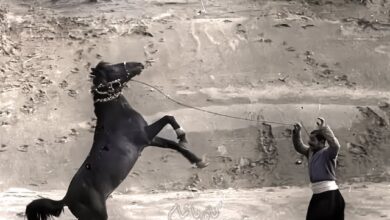
When asked about the meaning and implications of this proverb, historian and researcher Kassem Hejeij, an expert in the cultural and collective memory of Jabal Amel, explained: “The people of Jabal Amel greatly value purebred horses, keeping the purest Arabian bloodlines in their stables. Those who owned a purebred stallion took pride in it, with others in the village seeking its favor for their mares and even their donkeys. A mare impregnated by a purebred stallion would produce a strong mule, prized for agricultural work. However, stallion owners would sometimes begrudge wasting their horse’s lineage on a donkey. To deceive the donkey, they would parade the stallion before her several times, arousing her with his appearance and vigor. Once she was ready, they would replace the stallion with a donkey for the mating process.”
Hejeij added: “This proverb offers a classic depiction of life during that era in this region, as well as insights into the deception that occurred back then. The stallion owner, regardless of their reasons, committed a deceptive act by switching the horse for a donkey. This was particularly significant because such arrangements often involved an exchange. The owner of the mare or donkey, seeking the purebred stallion’s favor, would not come empty-handed but would bring offerings such as a basket of eggs, a pair of local roosters, or a basket of fresh or dried figs—whatever the region’s land and nature provided. Therefore, switching the sire was considered a form of deceit. To prevent such trickery, suitors would often insist on being present during the mating process to ensure their animal was not treated unfairly or disrespected in such a manner!”